
Forging
Temperature. Tooling. Motion.
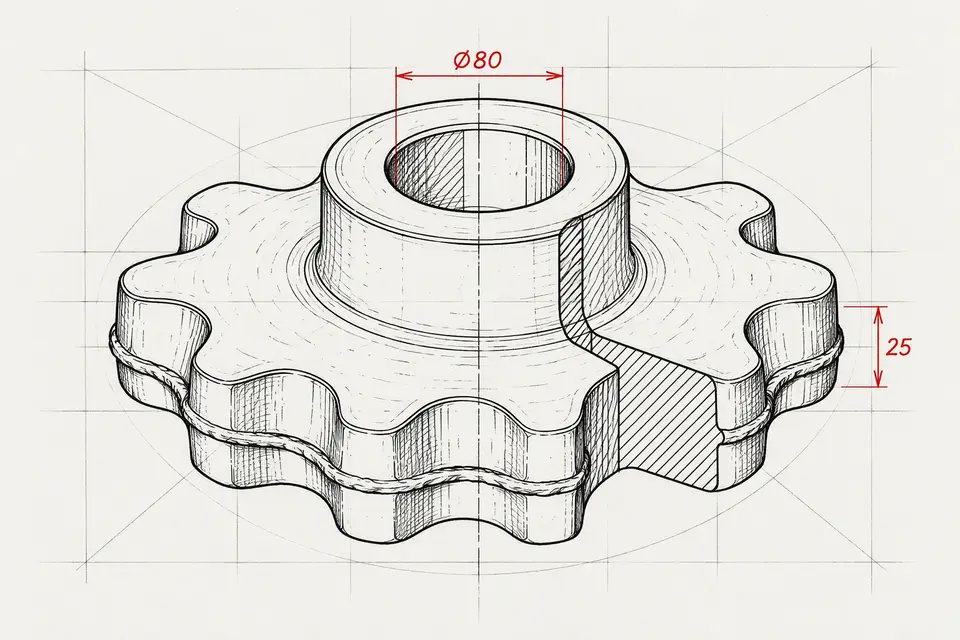
Illustrative component study; not a verified customer part.
Forging configurations, from a single economical press to fully automated multi-press hot forging lines.
From material to finished part.
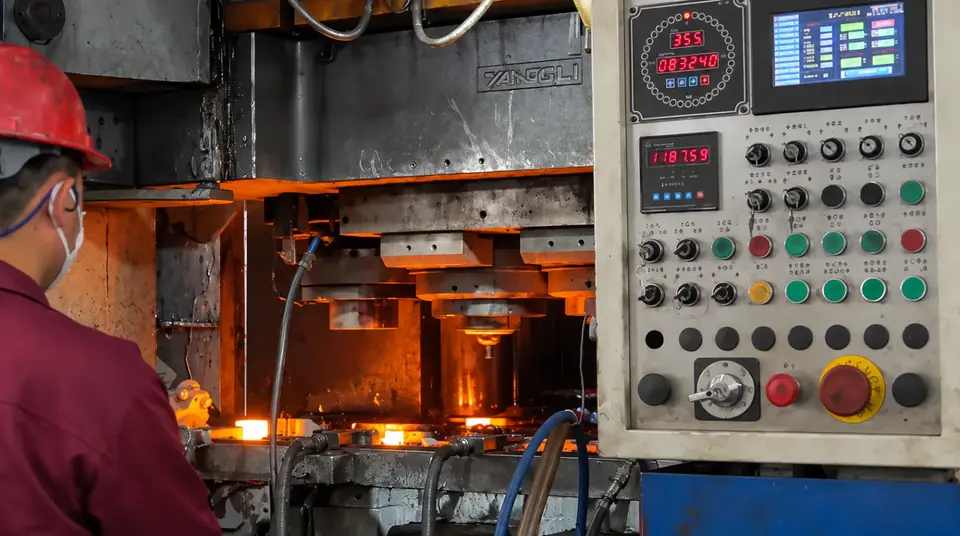
Define material and temperature
Hot, warm and cold forging place different demands on the press, so the alloy and the working temperature are fixed first. Hot die forging on HFP/HGP and E1P presses suits bearing rings, gear blanks and wheel hub components, while WFP warm forging and K1P/K2P knuckle presses cover precision cold and warm parts.
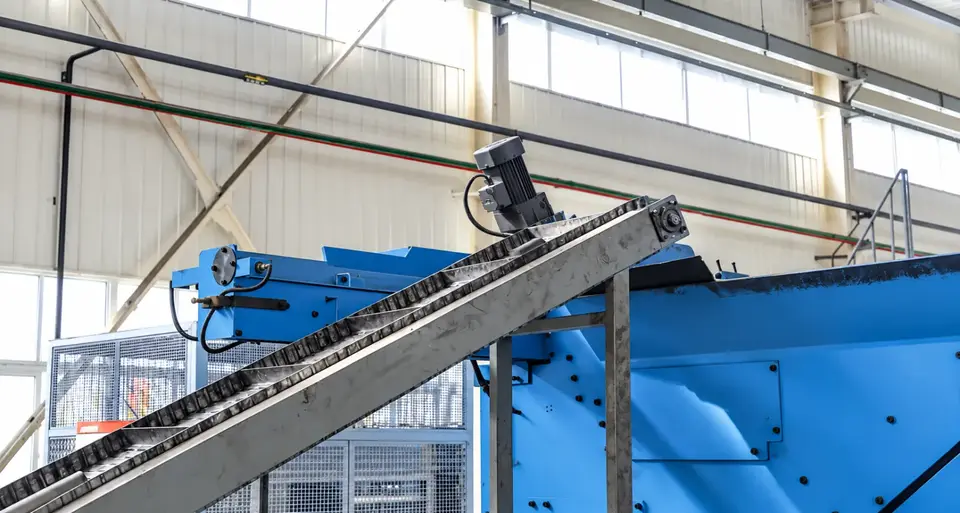
Prepare the billet and tooling
Billets are cut to size and heated to forging temperature before they reach the die. Combined frames preloaded by high-strength tie rods, hydraulic upper and lower ejectors and shut-height adjustment define the tooling window that the dies must fit.
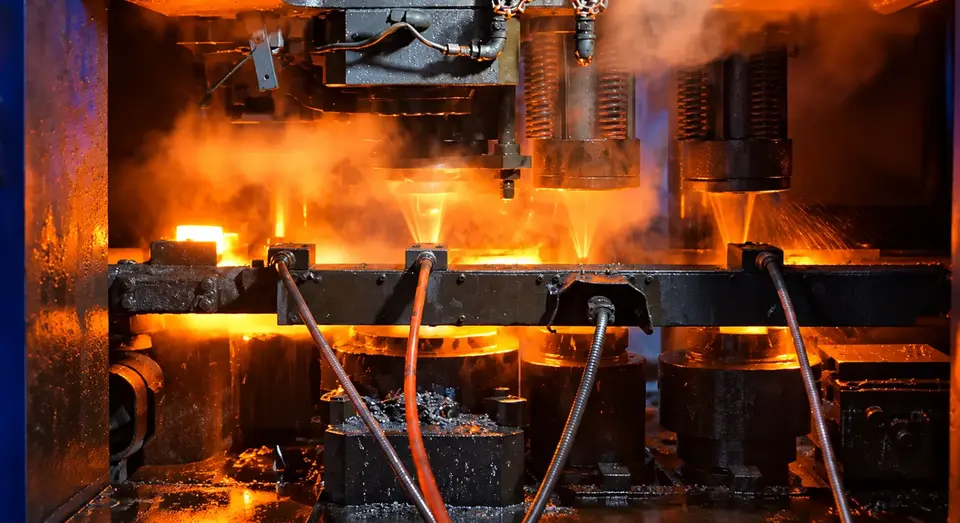
Select the forging motion
The motion profile follows the part: fast mechanical presses running 50–100 strokes per minute keep die contact short and die temperature low on hot work. Knuckle drives slow near bottom dead center for precision coining, and SPE electric screw presses deliver energy-controlled blows of 40–1000 kJ for larger parts.
Plan handling and the next operation
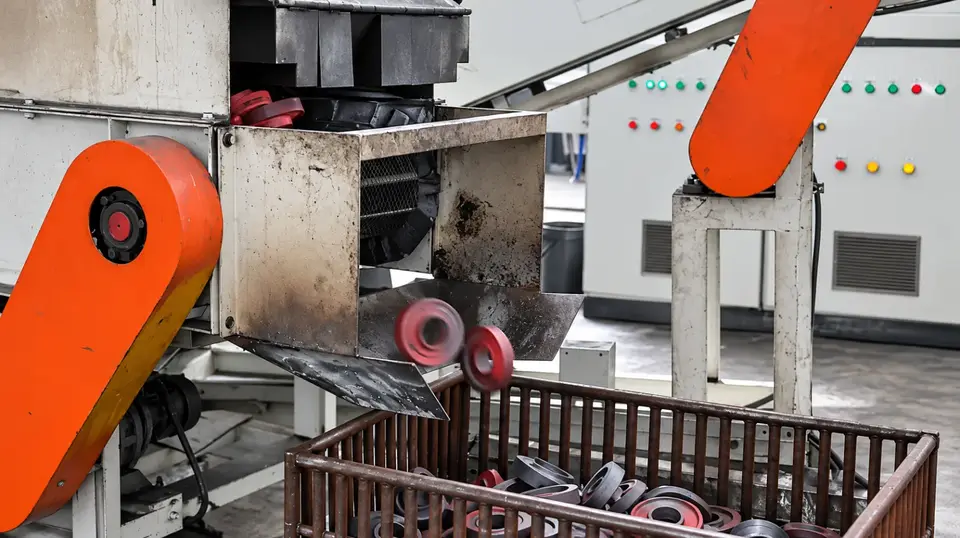
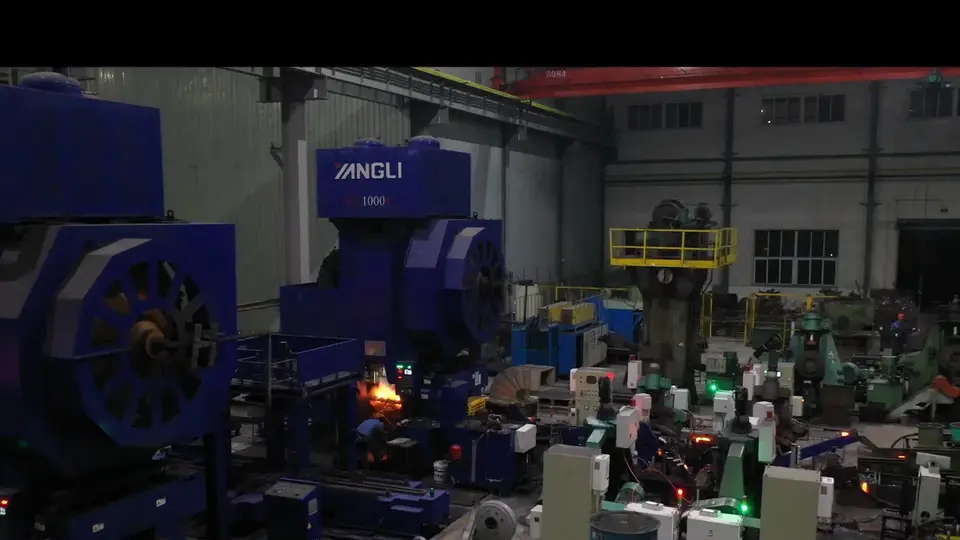
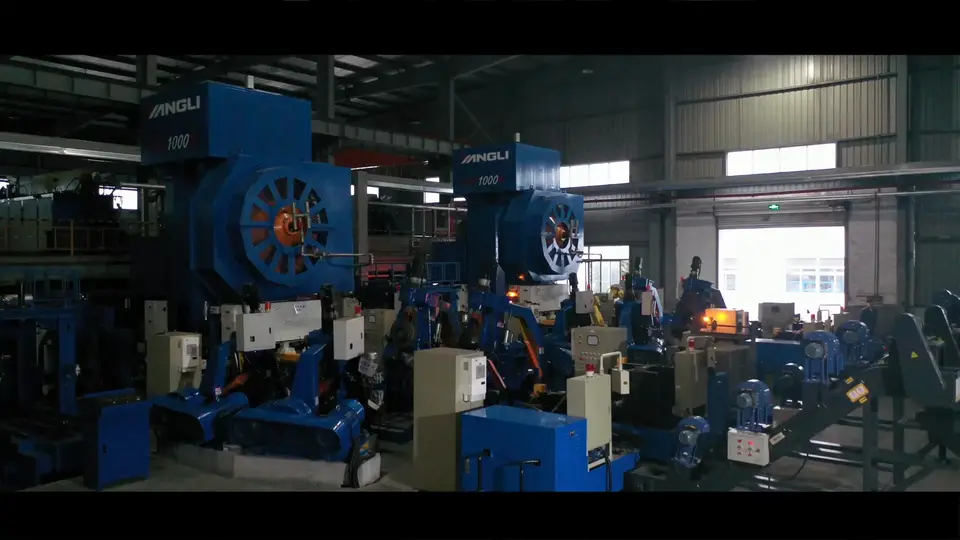
Hot parts must move between stations without losing temperature. Side-window transverse feeding with stepping manipulators, robots and conveyors links forging to ring rolling, trimming and calibration, as on the bearing-parts and gear-blank lines shown below.
Hot die forging, warm forging and cold forming are separate selection routes. The catalog provides dedicated press architectures rather than a single universal forging machine.
Bring the part drawing, material, process temperature and required sequence. Review the press and material handling together; cycle performance cannot be inferred from nominal force alone.
Four ways to build the line.
The part defines the architecture. Each route links to the equipment series that carries it.
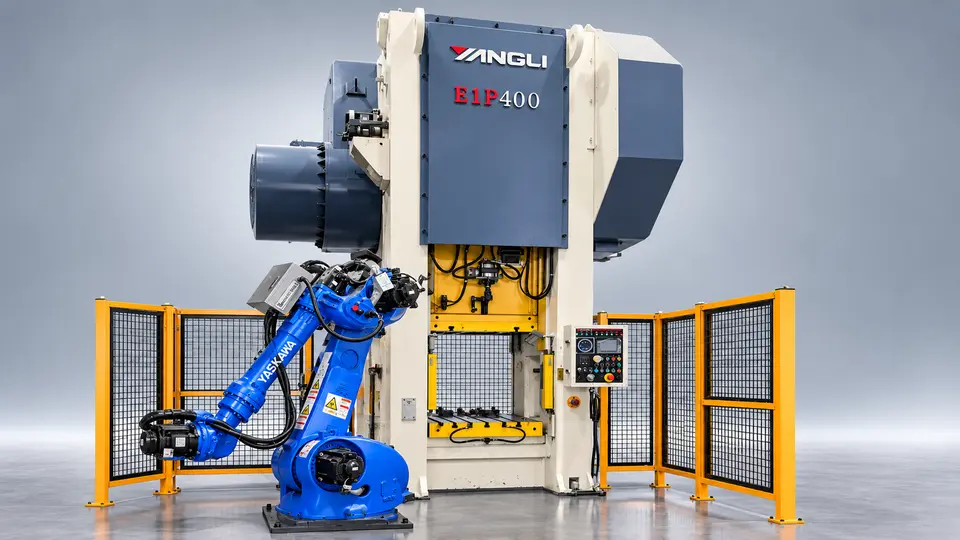
Economical hot die forging cell
An E1P press (1600–10000 kN) with eight-face slide guidance, imported hydraulic overload protection and a dry pneumatic clutch-brake forms the entry cell for hot forgings. Inverter-driven 30–55 spm operation and the special three-stage-drive E1P-xxxS variant adapt the cell to specific process demands.
E1P ↗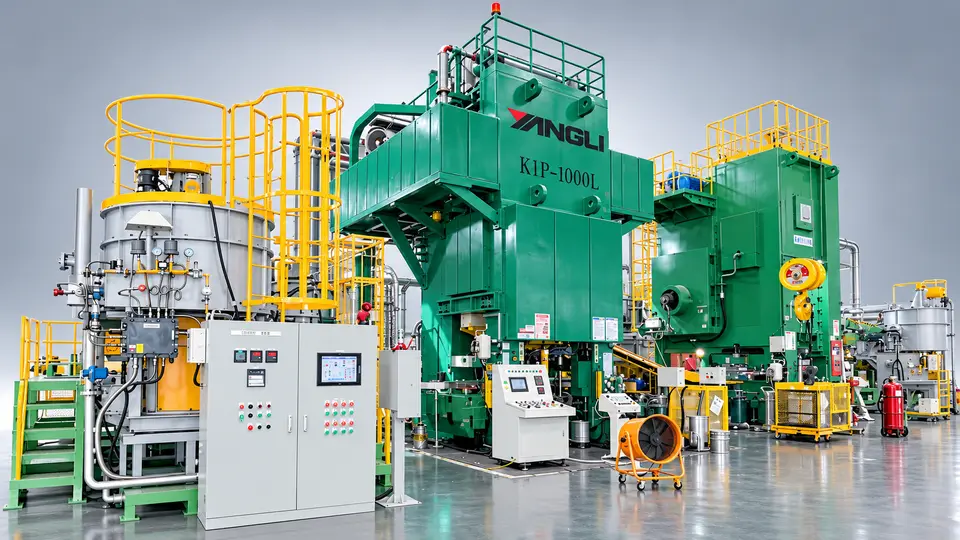
Knuckle press for cold and warm precision forging
K1P/K2P knuckle presses (1600–10000 kN) use a six-link drive and herringbone gearing so the slide slows through the working stroke. Guide posts and bushings absorb the connecting-rod thrust, supporting precise cold and warm forging and coining operations.
KP ↗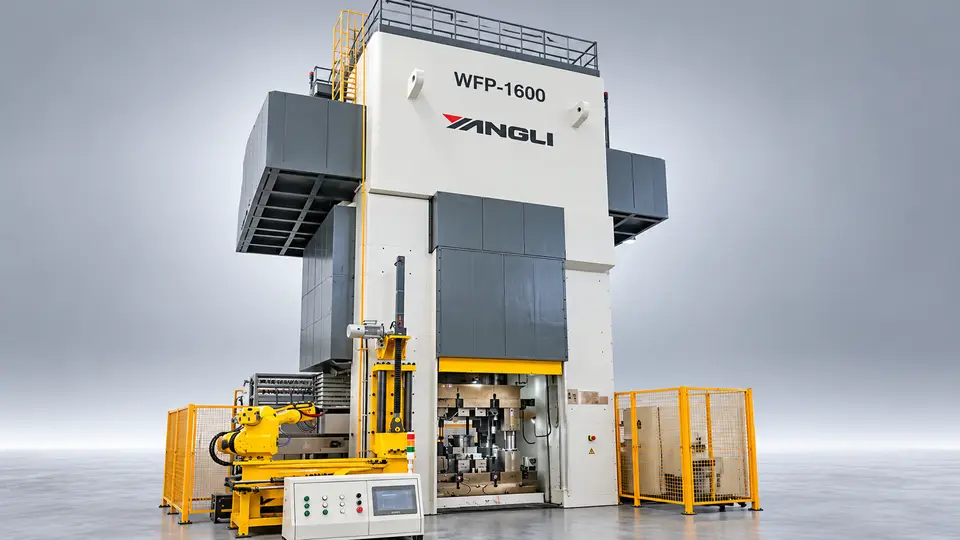
Warm forging press line
WFP presses (6300–31500 kN) combine a welded crown and column with a cast-steel slide and bed preloaded by tie rods. Forced progressive lubrication, a highly sensitive overload protector and a choice of mechanical or hydraulic lower knockout equip the press for a wide warm-forging process range.
WFP ↗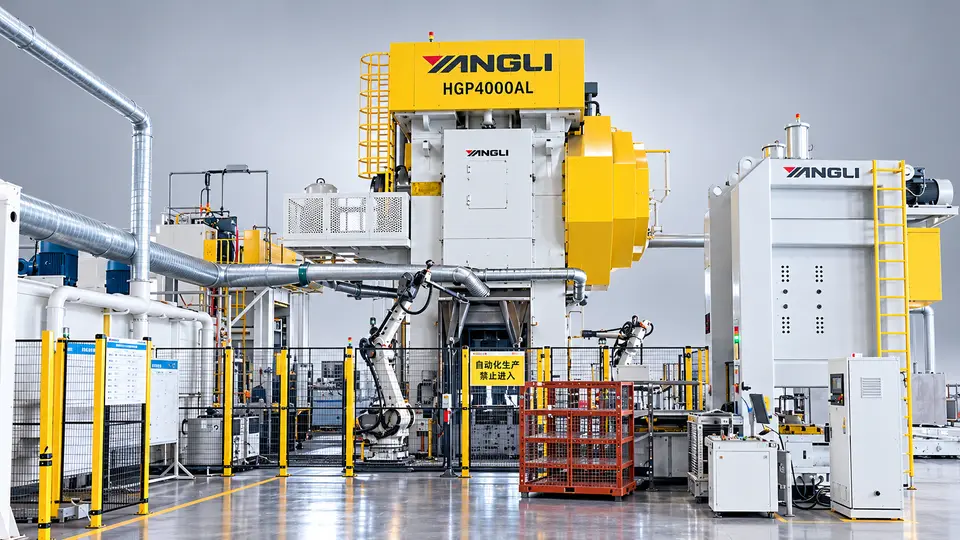
Automated multi-station hot die forging line
HFP/HGP presses (6300–63000 kN) run at 50–100 spm so dies stay cooler and last longer. A side window enables transverse feeding with stepping manipulators for multi-station automation, and the two-stage-drive HGP raises output energy for demanding hot forging and extrusion work.
HFP/HGP ↗Proof on the floor.
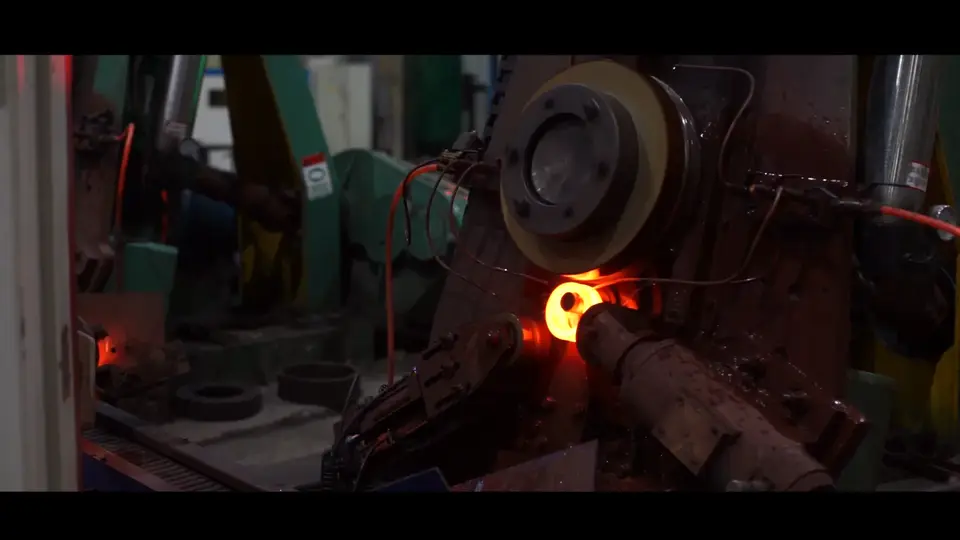
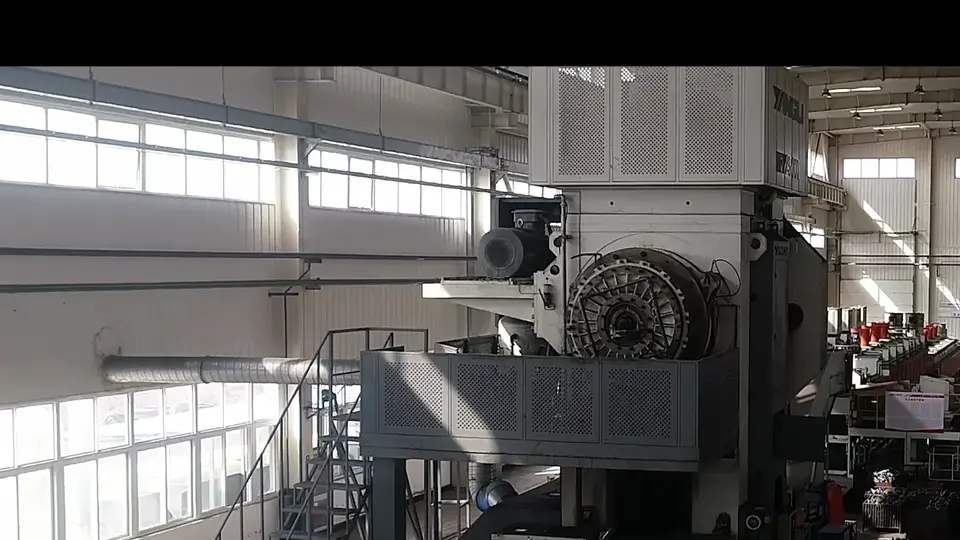
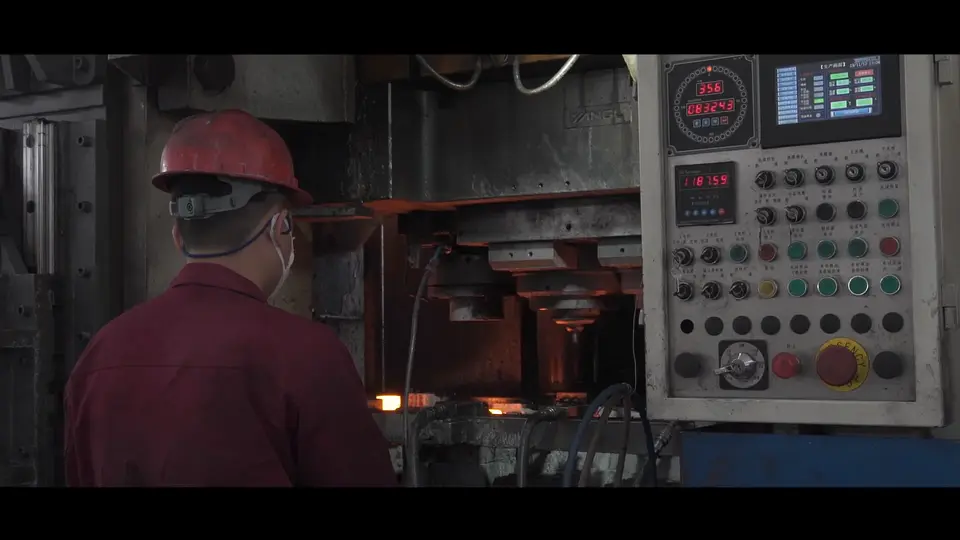
YANGLI hot forging lines in operation at customer plants.
What to bring to the discussion.
- 01Workpiece material and thickness
- 02Part geometry and tooling envelope
- 03Required operations and production target
- 04Feeding, transfer and automation interfaces
Bring your part. Define your process.
Share your drawing, material and production requirements. Start with a selected model or explore the equipment direction together.
Discuss your project ↗